Dog Coat Types: How to Groom Every Coat
Every coat needs different care. Learn the main dog coat types, how often to brush each one and which tools work best, so your dog’s coat stays healthy and tangle-free.
Understanding dog coat types is the key to grooming well. A tool that works perfectly on a short coat can be useless on a double coat, and the wrong technique can damage curly or wiry fur.
Table of Contents
The Main Dog Coat Types
| Coat type | Example breeds | Brushing | Best tools |
|---|---|---|---|
| Smooth or short | Beagle, Boxer | Weekly | Rubber mitt, bristle brush |
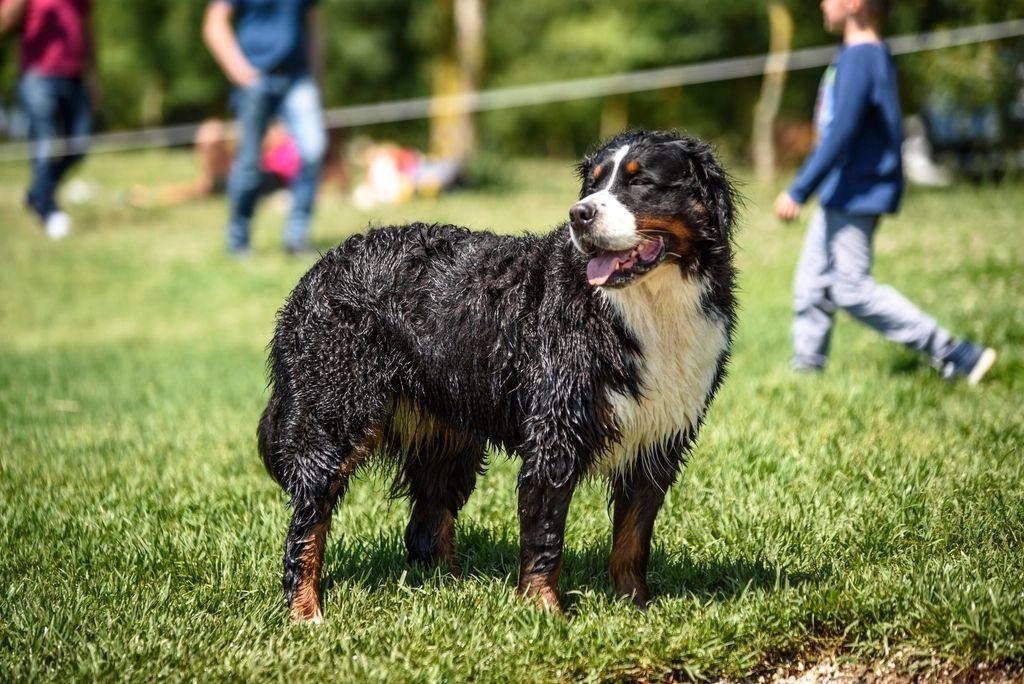
| Double | Husky, Golden Retriever, Bernese | Several times a week | Undercoat rake, slicker brush |
| Long and silky | Cavalier, Maltese | Daily | Pin brush, comb |
| Curly | Poodle, Bichon | Several times a week | Slicker brush, comb |
| Wire | Many terriers | Weekly | Slicker brush; hand-stripping by groomers |
Examples are typical; individual dogs and mixed breeds can vary.
Grooming Each of the Dog Coat Types
Shedding Seasons
Many double-coated dogs shed heavily once or twice a year, often called blowing coat. During these weeks, brush more often to remove loose undercoat, which keeps your dog comfortable and your home cleaner.
How to Prevent Mats
- Brush regularly, especially behind the ears, under the legs and around the collar
- Always brush before bathing
- Dry the coat fully after baths and swims
- Use a detangling spray made for dogs
- Book professional help for severe mats
Choosing the Right Brush
Match the brush to the coat: bristle brushes and mitts for short coats, slicker brushes for most medium and curly coats, pin brushes for long coats and undercoat rakes for double coats. See our full guide to the best pet grooming tools.
Breed-specific advice is available from the AKC grooming advice. This guide is general information, not veterinary advice.
Smooth and Short Coats
Short coats are the easiest of all dog coat types to care for. A weekly rub with a rubber mitt or bristle brush removes loose hair and spreads natural oils for shine. They still shed, so brushing outdoors can save on vacuuming.
Wire Coats
Wire coats feel coarse and are common in many terriers. They’re traditionally maintained by hand-stripping, where dead hair is gently pulled out, usually by a professional groomer. Clipping is easier but can soften the coat’s texture and change its colour over time.
Mixed Breeds and Doodles
Mixed breeds can have any combination of coat features. Doodles, for example, may have curly, wavy or straight coats, and many mat easily. Watch how your dog’s coat behaves after brushing and baths, and adjust tools and frequency to suit.
Healthy Coat Signs
- Clean, glossy fur without greasy patches
- Little dandruff or flaking
- No bald spots or excessive scratching
- Skin that looks pink or normally pigmented, not red
If you notice changes, a vet can check for diet, allergy or skin problems. Understanding dog coat types helps you spot these changes sooner.
Diet and Coat Health
A healthy coat starts from the inside. A complete, balanced diet suited to your dog’s age and size supports skin and fur, while sudden dullness, flaking or hair loss can point to a nutritional or health issue. Ask your vet before adding supplements.
Related reading: dog shedding, how to brush a dog and puppy coat care.
Dog Coat Types FAQ
How do I know my dog’s coat type?
Look at length and texture, and check for a soft undercoat beneath the outer coat. Your vet or groomer can confirm.
Should I shave my double-coated dog in summer?
Most groomers advise against it. Regular brushing to remove loose undercoat is usually better.
Which coat type needs the most grooming?
Long, silky and curly coats generally need the most frequent brushing.
Time for Bath Day?
A calm, step-by-step bathing guide.