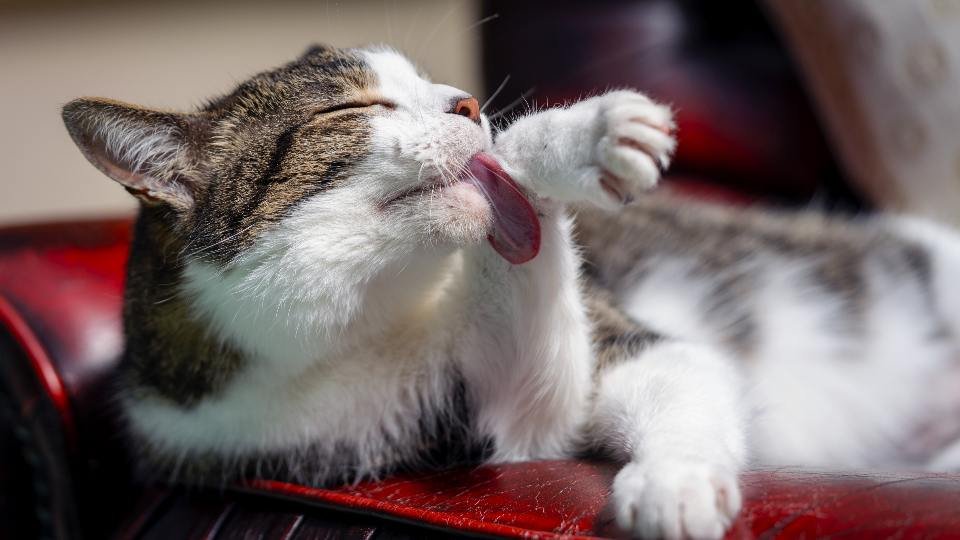
Cat Grooming: Gentle Care for Happy, Healthy Cats
Cats are famous for keeping themselves clean, but they still need a little help. This cat grooming guide covers brushing, nails, ears, teeth and when a bath is really needed.
Most cats spend a lot of time grooming themselves, but regular gentle cat grooming from you reduces hairballs, prevents mats and helps you spot health problems early. Long-haired, older and overweight cats often need extra help.
Table of Contents
Why Cat Grooming Helps
- Reduces loose hair and hairballs
- Prevents painful mats in long coats
- Helps older or less flexible cats stay clean
- Lets you check for fleas, lumps and skin issues
- Can be a calm bonding time
How to Brush a Cat
- Choose a quiet moment when your cat is relaxed
- Start with gentle strokes using a soft brush or grooming glove
- Brush in the direction of the fur
- Use a wide-toothed comb for long fur, working on small sections
- Keep sessions short and stop if your cat gets annoyed
- Reward with a treat or play
| Coat | Brushing frequency | Best tools |
|---|---|---|
| Short hair | About once a week | Rubber brush or grooming glove |
| Medium hair | A few times a week | Soft slicker brush and comb |
| Long hair | Daily | Wide-toothed comb and slicker brush |
Nails, Ears and Teeth
Nails
Trim just the sharp tips every few weeks with cat nail clippers. Avoid the pink quick. Provide scratching posts too.
Ears
Look inside weekly. Clean ears are pale pink. Ask your vet about dark wax, smells or head shaking.
Teeth
Brushing with cat toothpaste helps prevent dental disease. Never use human toothpaste.
Do Cats Need Baths?
Most healthy cats rarely need a bath. Baths may help if your cat gets into something sticky or harmful, has a medical condition, or can’t groom itself well. Use a cat-safe shampoo, lukewarm water and a calm, quick approach, or ask your vet or a groomer for help.
Signs Your Cat Needs Extra Help
- Greasy, matted or unkempt fur
- Lots of dandruff or bald patches
- Overgrown nails catching on furniture
- Reduced self-grooming due to age, weight or pain
A sudden change in grooming habits can be a sign of illness, so mention it to your vet.
Make Cat Grooming Positive
Start young if you can, keep sessions short and always end on a good note. Many cats enjoy being brushed once they get used to it. Never restrain a frightened cat for long; try again later or ask a professional.
Learn more from the ASPCA cat grooming tips and the International Cat Care grooming guide. This guide is general information, not veterinary advice.
Hairballs and Shedding
Cats swallow loose hair when they groom, which can lead to hairballs. Regular brushing, especially during spring and autumn shedding, removes much of that hair before it’s swallowed. If your cat has frequent hairballs, struggles to bring them up or seems unwell, talk to your vet.
A Simple Weekly Cat Grooming Plan
- Brush once or more depending on coat length
- Check eyes, ears and teeth
- Look and feel for lumps, fleas or sore spots
- Trim nail tips every few weeks
- Reward with play or a treat
Related reading: how to trim cat nails, pet tooth brushing tips and managing shedding.
Cat Grooming FAQ
How often should I brush my cat?
Short-haired cats about weekly, long-haired cats daily. Increase during shedding seasons.
Can I shave a matted cat?
Severe mats are best removed by a vet or professional groomer, as cat skin is thin and cuts easily.
Why does my cat bite during brushing?
It may be overstimulated or sore. Keep sessions shorter and watch for signs it wants to stop.
Gentle Tools for Cats
Brushes, gloves and clippers that cats tolerate best.