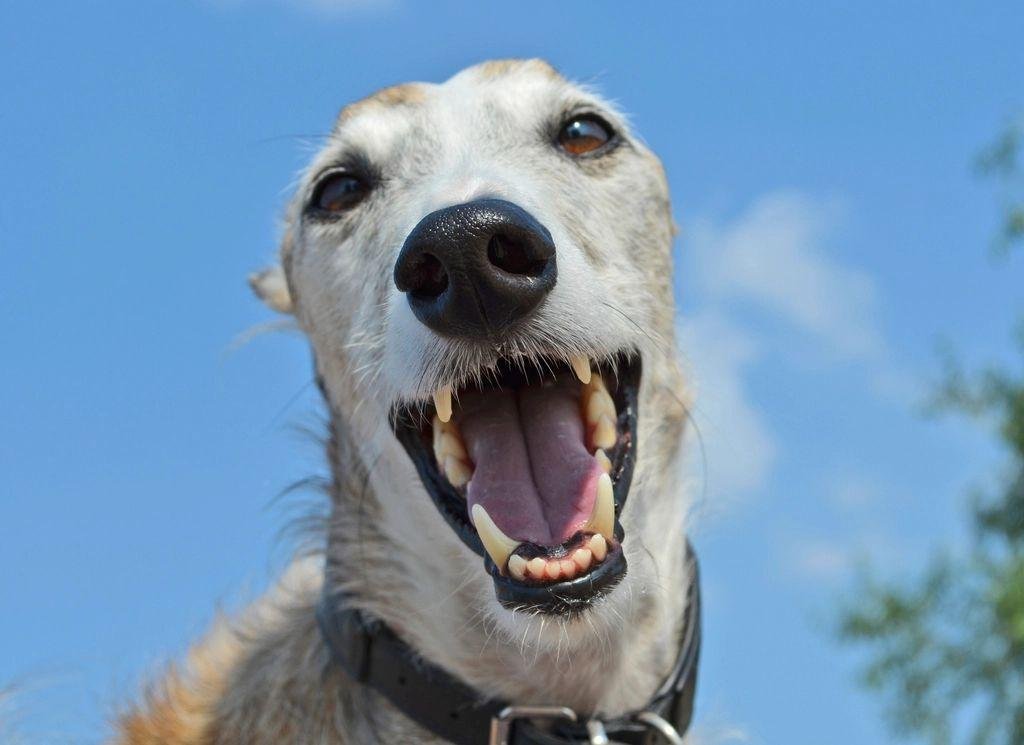
Dental disease is one of the most common health problems in adult dogs, and it can cause bad breath, pain and tooth loss. Daily brushing is the most effective way to keep plaque under control at home. It may sound tricky, but most dogs learn to accept it with patience and tasty toothpaste.
Here’s how to brush dog teeth step by step, plus what to use and what to avoid.
Table of Contents
Why Dental Care Matters
- Plaque turns into hard tartar that a toothbrush can’t remove.
- Gum disease can be painful and lead to tooth loss.
- Bad breath is often the first sign of a dental problem.
- Regular checks help you notice broken teeth or sore gums early.

What You Need
| Item | Why | Tip |
|---|---|---|
| Dog toothpaste | Safe to swallow, dog-friendly flavours | Never use human toothpaste |
| Dog toothbrush or finger brush | Soft bristles fit the mouth | Finger brushes suit small dogs and beginners |
| Treats | Rewards build a positive habit | Use tiny pieces |
Human toothpaste isn’t made to be swallowed, and some contain xylitol, a sweetener that is toxic to dogs. Always choose a toothpaste made for dogs.
How to Brush Dog Teeth: Step by Step
- Days 1 to 3: Let your dog lick a little dog toothpaste from your finger.
- Days 4 to 6: Lift the lip and rub your finger with toothpaste along the outer gums and teeth.
- Days 7 to 10: Introduce the brush. Let your dog lick the paste off it first.
- Brush the outer surfaces. Hold the brush at a 45-degree angle to the gumline and use small circles, focusing on the back teeth and canines.
- Build up time. Aim for about 30 seconds on each side as your dog gets comfortable.
- Reward every time. Finish with praise and a treat or play.
Most of the plaque builds up on the outer surfaces, so don’t worry if you can’t reach the inside of the teeth.

How Often to Brush
Daily brushing is best, because plaque starts to harden into tartar within days. If daily isn’t possible, aim for at least several times a week. Brushing fits easily into a short evening routine, right after a walk or dinner.
Other Ways to Support Dental Health
- Dental chews and diets with the seal of the Veterinary Oral Health Council (VOHC) have been tested to reduce plaque or tartar.
- Choose chew toys that are safe for your dog’s size; very hard items can break teeth.
- Book a dental check with your vet at least once a year.
- Your vet may suggest a professional clean under anaesthesia if tartar has built up.
Signs Your Dog Needs a Vet Check
See your vet if you notice very bad breath, red or bleeding gums, brown tartar, loose or broken teeth, drooling, or if your dog chews on one side or stops eating hard food. The AVMA pet care resources has more advice on pet dental health.
Make Brushing a Habit
Pair tooth brushing with other quick checks, like ears and paws. Start early with puppies (see puppy grooming) and keep a toothbrush next to the lead so you remember. For the full weekly plan, see dog grooming at home.
Common Mistakes When You Brush Dog Teeth
- Using human toothpaste, which can contain xylitol
- Brushing too hard, which can hurt the gums
- Trying to brush every tooth in the first session
- Giving up after one bad day; just go back a step
- Skipping yearly dental checks with your vet
When you brush dog teeth gently and regularly, the routine soon takes less than two minutes a day.
Brush Dog Teeth: FAQ
Is it too late to start brushing my older dog’s teeth?
No. Older dogs can learn too. Ask your vet for a dental check first, as sore teeth may need treatment.
Do dental chews replace brushing?
They can help, but brushing is still the most effective way to remove plaque.
What if my dog won’t let me brush?
Go back a step, use a finger brush and keep sessions very short with lots of rewards.
Discover the Best Grooming Tools
Brushes, toothbrushes, clippers and more.