Paws Grooming

Kind, simple pet grooming guides for dogs and cats

Category: Dog Grooming Tips

  • How to Get Mats Out of Dog Hair Safely

    How to Get Mats Out of Dog Hair Safely

    Mats are tight clumps of tangled fur that pull on your dog’s skin. They can be painful, trap moisture and hide skin problems. The good news is that small mats can usually be removed at home with patience and the right tools. Here’s how to get mats out of dog hair safely, and how to stop them coming back.

    Why Dogs Get Mats

    • Long, curly or double coats tangle easily
    • Loose undercoat gets trapped during shedding
    • Friction from collars, harnesses and lying down
    • Water from baths or swimming that isn’t dried and brushed out
    • Not enough regular brushing

    Common mat spots are behind the ears, under the collar, in the armpits, on the belly, the back of the legs and around the tail.

    What You Need

    ToolWhat it does
    Slicker brushLoosens small tangles
    Metal combFinds and works out knots
    Detangling spray for dogsMakes hair slippery and easier to separate
    CornflourA dry alternative that helps loosen mats
    Mat splitter or dematting combCuts through larger mats carefully (for confident owners)

    See our list of the best pet grooming tools for brush and comb suggestions.
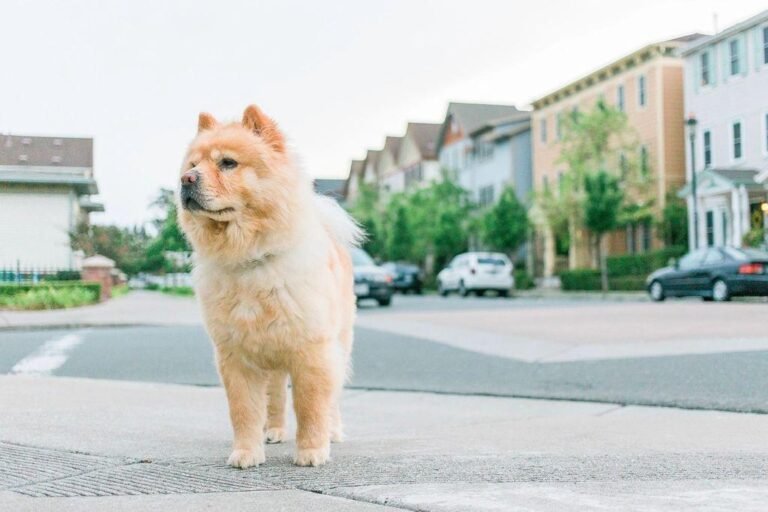
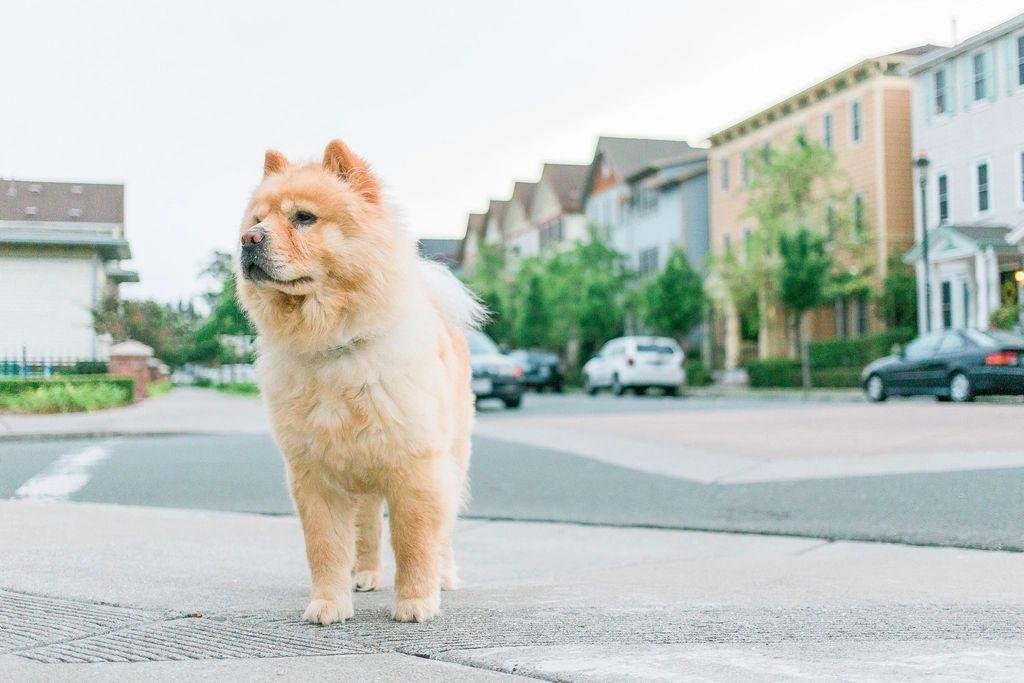
    Fluffy cream chow chow with a thick coat standing on a street
    Thick coats like this need regular brushing to stay mat-free.

    How to Get Mats Out of Dog Hair: Step by Step

    1. Check the mat. Feel how close it is to the skin and whether the area is sore or red.
    2. Spray or dust. Apply detangling spray or a little cornflour and work it in with your fingers.
    3. Hold the hair at the base. Pinch the fur between the mat and the skin so brushing doesn’t pull on your dog.
    4. Pick it apart. Use your fingers to gently separate the mat into smaller sections.
    5. Work from the ends. Use the end teeth of a comb or slicker brush, starting at the tip of the hair and moving closer to the skin a little at a time.
    6. Comb through. When the comb glides through the area, the mat is gone.
    7. Reward and rest. Take breaks and give treats. Large mats can be done over several short sessions.

    Never Cut Mats With Scissors

    It’s very easy to cut your dog’s skin, because mats pull the skin up into the clump. If a mat is tight against the skin, very large, or your dog is in pain, take them to a professional groomer. Severe matting often needs to be clipped short with grooming clippers, and the coat grows back healthier.

    When to See a Groomer or Vet

    See a groomer if mats cover large areas, are tight to the skin or your dog won’t tolerate brushing. See a vet if you find sores, redness, a bad smell, parasites or skin infection under the mats.
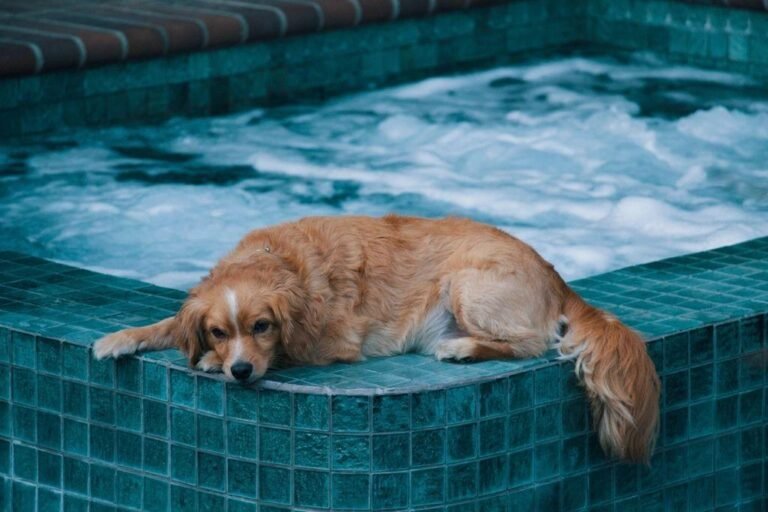
    Fluffy golden dog with a long coat lying beside a pool
    Dry and brush long coats fully after swimming or baths.

    How to Prevent Mats

    • Brush regularly with the right tool for the coat. See how to brush a dog.
    • Brush before every bath and dry the coat fully afterwards. See how to bathe a dog.
    • Brush more during shedding season. See dog shedding.
    • Check friction areas like the collar, armpits and ears every few days.
    • Start brushing early so your dog learns to enjoy it. See puppy grooming.
    • Book regular professional grooms for long or curly coats.

    Get Mats Out of Dog Hair: FAQ

    Does coconut oil help with dog mats?

    A tiny amount can make hair slippery, but a detangling spray made for dogs is easier to wash out.

    Can I shave out my dog’s mats?

    Clipping should be done carefully with proper clippers. If you’re not confident, ask a groomer.

    How do I get mats out of a dog that hates brushing?

    Work in very short sessions with lots of treats, or ask a groomer to help.

    Learn Your Dog’s Coat Type

    The right brushing routine for every coat.
  • Dog Shedding: Why It Happens and 6 Ways to Control It

    Dog Shedding: Why It Happens and 6 Ways to Control It

    Hair on the sofa, the carpet and your clothes? Dog shedding is natural: dogs lose old or damaged hair so new hair can grow. You can’t stop it completely, but with the right brushing routine, a good diet and a few home habits, you can control it and keep your dog’s coat healthy.

    Why Dogs Shed

    Every dog sheds to some degree. How much depends mostly on the coat. Double-coated breeds, such as huskies and German shepherds, have a soft, dense undercoat that they shed heavily, often in spring and autumn. Single-coated or curly breeds shed less, but still need regular grooming. Learn more in our guide to dog coat types.

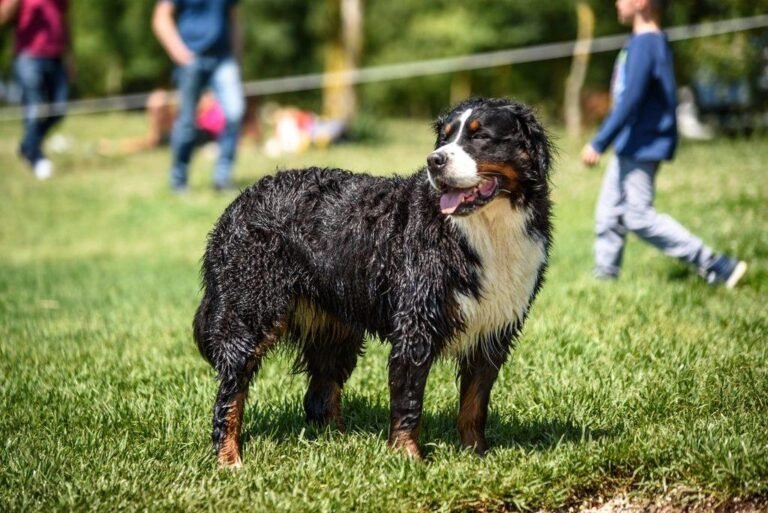
    Bernese mountain dog with a thick double coat, a breed known for heavy dog shedding

    Normal Shedding vs Something More

    Usually normalAsk your vet
    Even hair loss across the coatBald patches or thin areas
    Heavier shedding in spring and autumnRed, flaky, scabby or smelly skin
    More hair on brushes after a bathConstant scratching, licking or chewing
    A healthy, shiny coat underneathSudden heavy shedding with other symptoms

    Fleas, allergies, stress, diet and some health conditions can cause extra hair loss. If dog shedding comes with any of the signs above, book a vet check. The AVMA pet care resources has more trusted advice.

    6 Ways to Reduce Dog Shedding

    1. Brush Regularly

    Brushing catches loose hair before it lands on your floor. Double coats need a slicker brush and an undercoat rake several times a week, and daily during heavy seasons. See how to brush a dog for the right technique.

    2. Use the Right Tools

    An undercoat rake or a deshedding tool removes the loose undercoat gently. Don’t overuse deshedding blades, as pressing too hard can irritate the skin. Our pet grooming tools guide lists the essentials.

    3. Bathe Now and Then

    A bath with a dog shampoo, followed by thorough drying and brushing, helps release a lot of dead undercoat in one go. Don’t bathe too often, as it can dry the skin. Read how to bathe a dog for the full routine.

    4. Feed a Balanced Diet

    A complete, balanced dog food supports healthy skin and coat. Ask your vet before adding supplements such as omega-3 fatty acids.

    5. Control Fleas

    Fleas cause scratching and hair loss. Use a flea prevention product your vet recommends, all year round.

    6. Keep Your Dog Hydrated and Calm

    Fresh water, exercise and a calm routine all support a healthy coat, as stress can increase shedding in some dogs.

    Should You Shave a Shedding Dog?

    Shaving a double-coated dog is usually not a good idea. The double coat helps protect against heat, cold and sunburn, and it may grow back patchy or uneven. Regular brushing to remove the loose undercoat is a better choice. Ask a professional groomer or your vet if you’re unsure.

    Husky resting on a wooden deck after brushing to reduce dog shedding
    Double coats need extra brushing during shedding season.

    Keeping Your Home Hair-Free

    • Brush your dog outdoors when you can.
    • Use washable covers on sofas and dog beds.
    • Vacuum a few times a week with a pet hair attachment.
    • Keep a lint roller or rubber glove handy for clothes and furniture.
    • Wash your dog’s bedding weekly.

    A Weekly Plan for Dog Shedding Season

    DayTask
    MondayFull brush with slicker brush and undercoat rake
    WednesdayQuick 5-minute brush of friction areas
    FridayFull brush and comb-through
    WeekendWash bedding, vacuum, bath only if needed

    Stick to this plan for a few weeks during spring and autumn and you should see far less dog shedding around your home.

    Dog Shedding FAQ

    Which dogs shed the most?

    Double-coated breeds such as huskies, German shepherds, golden retrievers and Labradors tend to shed heavily, especially in spring and autumn.

    Are there dogs that don’t shed?

    No dog is fully non-shedding, but curly-coated breeds like poodles lose less loose hair. They still need regular brushing and haircuts.

    Does brushing make shedding worse?

    No. Brushing only removes hair that is already loose, so less ends up around your home.

    Find Your Dog’s Coat Type

    The right care for every coat.

  • Puppy Grooming: A Gentle Guide for New Owners

    Puppy Grooming: A Gentle Guide for New Owners

    The weeks after you bring a puppy home are the best time to start grooming. Puppies learn fast, and gentle, positive handling now means a calm adult dog who is happy to be brushed, bathed and checked for life. Good puppy grooming is less about a perfect coat and more about building trust.

    Here’s how to start, what to do each week and how to make every session a good experience.

    Why Start Puppy Grooming Early

    • Puppies learn that being handled is normal and safe.
    • Vet checks and nail trims become easier and less stressful.
    • You find fleas, skin problems or ear issues early.
    • Grooming becomes a calm bonding routine instead of a battle.

    Step 1: Get Your Puppy Used to Being Touched

    Before you pick up a brush, spend a few minutes each day gently handling your puppy. Touch the paws, hold each toe, lift the ears, look at the teeth and stroke the tail. Give a small treat and praise after each touch. Keep it short and stop while your puppy is still relaxed.

    Brown puppy showing its front paws, ready for gentle puppy grooming

    Step 2: Introduce the Brush

    Use a soft bristle brush or a rubber brush for the first sessions. Let your puppy sniff it, then brush for just a few strokes along the back. Build up over days. Our guide on how to brush a dog explains which brush to use as the adult coat grows in.

    Step 3: Nails, Ears and Teeth

    TaskHow to startHow often
    NailsTouch paws daily, then trim one nail tip at a timeEvery few weeks, or when nails click on the floor
    EarsLift and look, wipe the outer ear with a soft padCheck weekly
    TeethLet your puppy lick dog toothpaste, then touch the teethBuild up to daily
    EyesWipe away any discharge with a damp cotton padAs needed

    For nails, read our guide to dog paw care and nail trimming. For teeth, see how to brush dog teeth, and for ears, see how to clean dog ears.

    Step 4: The First Bath

    Most puppies only need a bath when they’re dirty or smelly. Use lukewarm water and a gentle puppy shampoo, keep water out of the ears and eyes, and dry your puppy fully so they don’t get cold. Our step-by-step guide on how to bathe a dog covers everything.

    A Simple Weekly Puppy Grooming Plan

    • Every day: 2 minutes of handling paws, ears and mouth.
    • 2 to 3 times a week: a short brushing session.
    • Weekly: check ears, eyes, skin and nails.
    • Every few weeks: trim nail tips.
    • When needed: a gentle bath.

    Make Puppy Grooming Fun

    • Use tiny, tasty treats and lots of praise.
    • Groom on a non-slip mat so your puppy feels steady.
    • Keep sessions under five minutes at first.
    • End on a good note, even if you only did a little.
    • Never punish or hold a scared puppy down; just try again later.
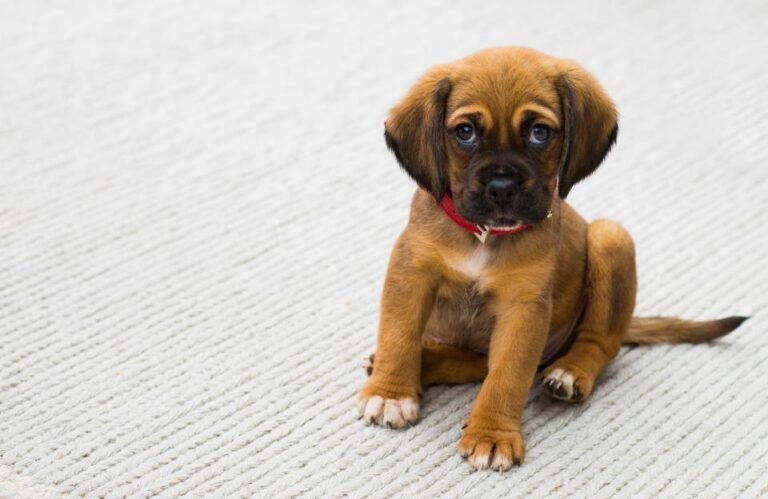
    Brown puppy with a red collar sitting calmly before puppy grooming
    Short, happy sessions build a calm grooming habit.

    Visiting a Professional Groomer

    If your puppy’s breed needs regular haircuts, book a short intro visit with a groomer once your vet says your puppy is ready. A quick bath, brush and nail trim is enough for the first visit. Ask your vet about timing and vaccinations, and see the AVMA pet care resources for general puppy care advice.

    Common Puppy Grooming Mistakes

    • Starting with long sessions instead of a few calm minutes
    • Bathing too often, which can dry a puppy’s skin
    • Using human shampoo or toothpaste
    • Only grooming when there’s a problem, so it always feels stressful
    • Skipping nails until they’re long and hard to trim

    Avoiding these mistakes keeps puppy grooming positive. Remember that every puppy learns at its own pace, so celebrate small wins and keep going.

    Puppy Grooming FAQ

    When can I start puppy grooming?

    You can start gentle handling and soft brushing as soon as your puppy settles in at home.

    Can I use human shampoo on my puppy?

    No. Use a mild shampoo made for puppies or dogs, as human products can irritate their skin.

    How do I stop my puppy biting the brush?

    Offer a chew toy or lick mat to keep the mouth busy, and keep sessions short.

    Learn the Full Grooming Routine

    Simple steps for dogs of every age.

  • How to Brush a Dog: A Simple Guide for Every Coat

    How to Brush a Dog: A Simple Guide for Every Coat

    Brushing is the single most useful grooming habit you can build with your dog. It removes loose hair and dirt, spreads natural oils through the coat, stops painful mats from forming and lets you spot lumps, ticks or sore skin early. The good news is that learning how to brush a dog properly takes only a few minutes a day.

    This guide shows you which brush suits your dog’s coat, a simple step-by-step routine and how to keep brushing calm and positive.

    Why Brushing Matters

    • Less shedding: loose hair ends up in the brush, not on your sofa.
    • No mats: tangles are removed before they tighten and pull on the skin.
    • Healthier skin: brushing lifts dead hair and spreads natural oils.
    • Early checks: you notice lumps, fleas, ticks or wounds quickly.
    • Bonding: gentle handling builds trust and makes vet visits easier.

    Choose the Right Brush for the Coat

    The right tool makes brushing faster and kinder. Not sure which coat your dog has? Read our guide to dog coat types first.

    Coat typeBest toolsHow often
    Short and smoothRubber curry brush, bristle brushOnce a week
    Double coatSlicker brush, undercoat rake2 to 3 times a week, daily when shedding
    Long and silkyPin brush, wide-tooth combDaily
    CurlySlicker brush, metal combEvery 1 to 2 days
    WireSlicker brush, stripping combOnce or twice a week

    For a full list of useful kit, see our best pet grooming tools guide.

    Fluffy white dog with a soft, well-brushed coat, showing how to brush a dog

    How to Brush a Dog: Step by Step

    1. Pick a calm moment. After a walk, when your dog is relaxed, works best.
    2. Start with a quick check. Run your hands over the body to feel for knots, lumps or sore spots.
    3. Brush in the direction of hair growth. Use short, gentle strokes and work in small sections.
    4. Go layer by layer on thick coats. Lift the top coat with one hand and brush the hair underneath, working from the skin outwards.
    5. Finish with a comb. A metal comb shows any tangles the brush missed, especially behind the ears, under the legs and around the tail.
    6. Reward your dog. End with praise and a treat so next time is even easier.

    Dealing With Tangles and Mats

    Small tangles can be loosened with your fingers, then teased out with the end teeth of a comb while you hold the hair close to the skin so it doesn’t pull. A little detangling spray made for dogs helps.

    Never Cut Mats Close to the Skin

    Mats often sit right against the skin, and it’s very easy to cut your dog by accident with scissors. If a mat is large, tight or close to the skin, ask a professional groomer to clip it out safely. Matting that covers much of the body is a sign the coat needs a full professional groom.

    Brushing Tips for a Happy Dog

    • Keep early sessions short: two to five minutes is plenty.
    • Brush sensitive areas like the belly, legs and tail gently and briefly.
    • Use a lick mat or a few treats to keep your dog busy.
    • Stop before your dog gets restless, and try again later.
    • Make it part of a weekly routine with baths, ears and nails.
    Fluffy shih tzu puppy with a long coat that needs daily brushing
    Long coats need daily brushing to stay tangle-free.

    Brushing Before and After a Bath

    Always brush before a bath. Water tightens tangles and turns small knots into mats. After the bath, dry the coat fully and brush again to remove loosened hair. Our guide on how to bathe a dog explains the full bath routine.

    When to See a Groomer or Vet

    See a groomer if the coat is badly matted or needs a breed-specific cut. See a vet if you find lumps, bald patches, red or flaky skin, fleas or ticks, or if your dog seems in pain when touched. The ASPCA dog grooming tips and AKC grooming advice are good places for more advice.

    How to Brush a Dog With a Short Coat

    Short coats look easy, but they still shed. Once a week, use a rubber curry brush in small circles to loosen dead hair, then sweep it away with a bristle brush in the direction of growth. Finish with a soft cloth for shine. This is the simplest way to learn how to brush a dog if you are a beginner.

    How to Brush a Dog With a Long or Double Coat

    Long and double coats need more time. Work from the back legs forward in small sections, lifting the hair and brushing from the skin outwards. Pay extra attention to friction areas such as behind the ears, the armpits, the collar line and the back of the legs, where mats form first. During shedding season, follow up with an undercoat rake.

    How to Brush a Dog: FAQ

    How often should I brush my dog?

    Short coats need brushing about once a week, while long, curly and double coats need brushing several times a week or daily.

    Can I brush my dog every day?

    Yes. Gentle daily brushing is good for most dogs, as long as you use the right brush and don’t press hard on the skin.

    What if my dog hates being brushed?

    Go slowly. Brush one small area, reward, and stop. Build up a little more each day, and try a softer brush.

    Build a Weekly Grooming Routine

    Brushing, baths, ears and nails in one simple plan.