Paws Grooming

Kind, simple pet grooming guides for dogs and cats

Category: Pet Health

  • How to Brush Dog Teeth: A Step-by-Step Guide

    How to Brush Dog Teeth: A Step-by-Step Guide

    Dental disease is one of the most common health problems in adult dogs, and it can cause bad breath, pain and tooth loss. Daily brushing is the most effective way to keep plaque under control at home. It may sound tricky, but most dogs learn to accept it with patience and tasty toothpaste.

    Here’s how to brush dog teeth step by step, plus what to use and what to avoid.

    Why Dental Care Matters

    • Plaque turns into hard tartar that a toothbrush can’t remove.
    • Gum disease can be painful and lead to tooth loss.
    • Bad breath is often the first sign of a dental problem.
    • Regular checks help you notice broken teeth or sore gums early.
    Happy dog holding a ball, a reason to brush dog teeth and keep the mouth healthy

    What You Need

    ItemWhyTip
    Dog toothpasteSafe to swallow, dog-friendly flavoursNever use human toothpaste
    Dog toothbrush or finger brushSoft bristles fit the mouthFinger brushes suit small dogs and beginners
    TreatsRewards build a positive habitUse tiny pieces

    Human toothpaste isn’t made to be swallowed, and some contain xylitol, a sweetener that is toxic to dogs. Always choose a toothpaste made for dogs.

    How to Brush Dog Teeth: Step by Step

    1. Days 1 to 3: Let your dog lick a little dog toothpaste from your finger.
    2. Days 4 to 6: Lift the lip and rub your finger with toothpaste along the outer gums and teeth.
    3. Days 7 to 10: Introduce the brush. Let your dog lick the paste off it first.
    4. Brush the outer surfaces. Hold the brush at a 45-degree angle to the gumline and use small circles, focusing on the back teeth and canines.
    5. Build up time. Aim for about 30 seconds on each side as your dog gets comfortable.
    6. Reward every time. Finish with praise and a treat or play.

    Most of the plaque builds up on the outer surfaces, so don’t worry if you can’t reach the inside of the teeth.

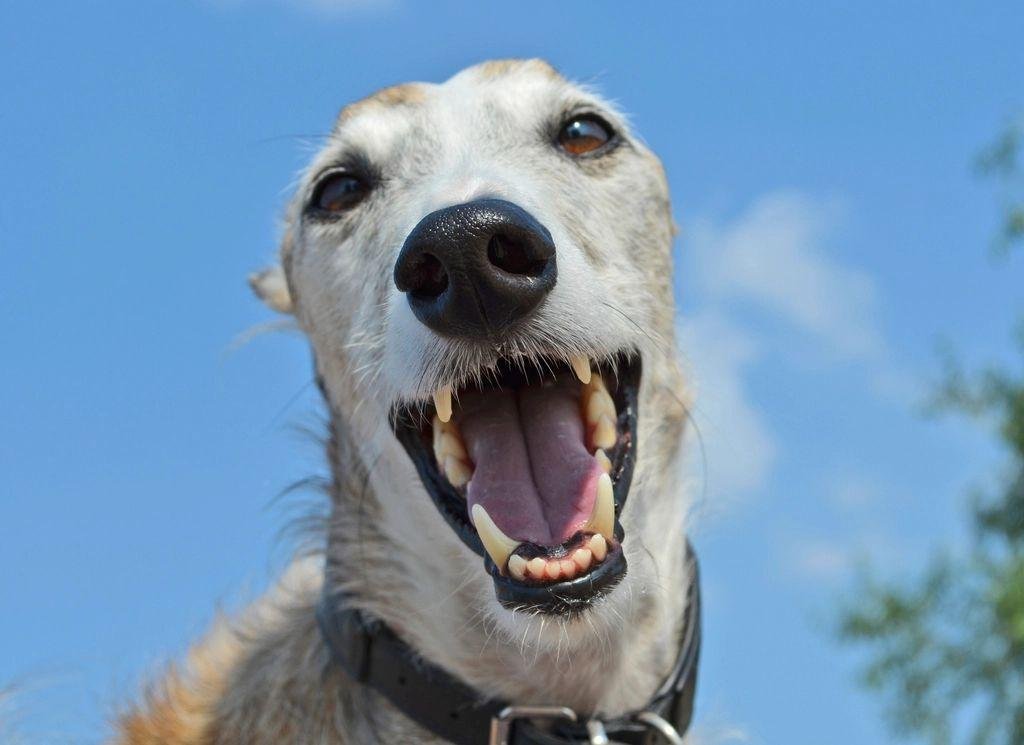
    German shepherd sitting with its mouth open, ready to brush dog teeth
    Lift the lip gently and focus on the outer surfaces.

    How Often to Brush

    Daily brushing is best, because plaque starts to harden into tartar within days. If daily isn’t possible, aim for at least several times a week. Brushing fits easily into a short evening routine, right after a walk or dinner.

    Other Ways to Support Dental Health

    • Dental chews and diets with the seal of the Veterinary Oral Health Council (VOHC) have been tested to reduce plaque or tartar.
    • Choose chew toys that are safe for your dog’s size; very hard items can break teeth.
    • Book a dental check with your vet at least once a year.
    • Your vet may suggest a professional clean under anaesthesia if tartar has built up.

    Signs Your Dog Needs a Vet Check

    See your vet if you notice very bad breath, red or bleeding gums, brown tartar, loose or broken teeth, drooling, or if your dog chews on one side or stops eating hard food. The AVMA pet care resources has more advice on pet dental health.

    Make Brushing a Habit

    Pair tooth brushing with other quick checks, like ears and paws. Start early with puppies (see puppy grooming) and keep a toothbrush next to the lead so you remember. For the full weekly plan, see dog grooming at home.

    Common Mistakes When You Brush Dog Teeth

    • Using human toothpaste, which can contain xylitol
    • Brushing too hard, which can hurt the gums
    • Trying to brush every tooth in the first session
    • Giving up after one bad day; just go back a step
    • Skipping yearly dental checks with your vet

    When you brush dog teeth gently and regularly, the routine soon takes less than two minutes a day.

    Brush Dog Teeth: FAQ

    Is it too late to start brushing my older dog’s teeth?

    No. Older dogs can learn too. Ask your vet for a dental check first, as sore teeth may need treatment.

    Do dental chews replace brushing?

    They can help, but brushing is still the most effective way to remove plaque.

    What if my dog won’t let me brush?

    Go back a step, use a finger brush and keep sessions very short with lots of rewards.

    Discover the Best Grooming Tools

    Brushes, toothbrushes, clippers and more.

  • How to Clean Dog Ears Safely at Home

    How to Clean Dog Ears Safely at Home

    Healthy ears are part of a healthy, happy dog. Some dogs rarely need their ears cleaned, while others, especially dogs with floppy or hairy ears, need regular care. Learning how to clean dog ears safely helps you prevent wax build-up and spot problems early.

    Here’s when to clean, what you need and a gentle step-by-step method.

    How Often Should You Clean Dog Ears?

    Check your dog’s ears once a week. Only clean them when they look dirty or waxy, or as often as your vet advises. Cleaning too often can irritate the ear canal. Dogs that swim often or have long, floppy ears usually need more frequent checks.

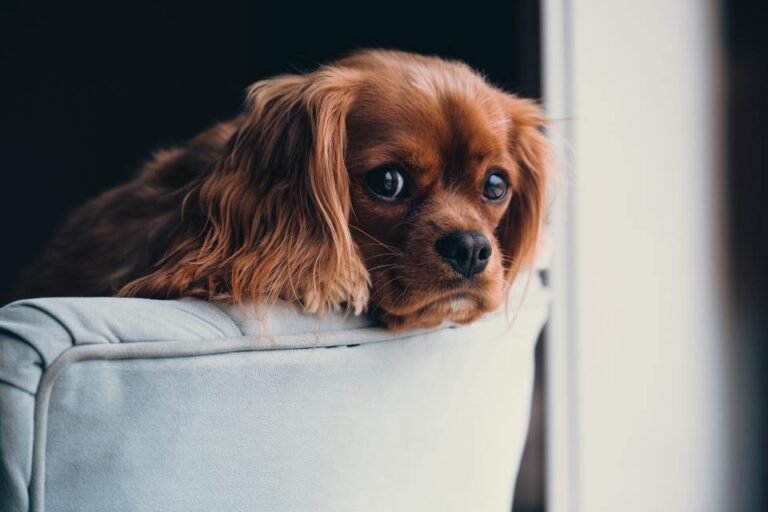
    Cavalier King Charles spaniel with long silky ears that need regular checks

    Healthy Ear vs Problem Ear

    Healthy earSee your vet
    Pale pink skinRed, swollen or hot skin
    A little light waxDark, heavy or smelly discharge
    No strong smellA yeasty or bad smell
    Your dog is comfortableHead shaking, scratching, pain or tilting the head

    If you see any signs in the right-hand column, don’t clean the ear at home. Ear infections and mites need a vet check, and a damaged eardrum can be hurt by ear cleaners.

    What You Need

    • A dog ear cleaning solution recommended by your vet
    • Cotton balls or soft gauze pads
    • A towel (dogs love to shake!)
    • Treats for rewards

    Avoid cotton buds, as they can push wax deeper or injure the ear canal. Don’t use alcohol, hydrogen peroxide or vinegar unless your vet tells you to, as they can sting and dry the skin.

    How to Clean Dog Ears: Step by Step

    1. Get comfortable. Sit with your dog in a calm spot, with a towel nearby.
    2. Lift the ear flap. Gently hold it up so you can see the opening.
    3. Add the cleaner. Squeeze a little solution into the ear canal, as directed on the label.
    4. Massage the base. Gently rub the base of the ear for 20 to 30 seconds. You may hear a squishing sound.
    5. Let your dog shake. Step back and hold up the towel.
    6. Wipe it clean. Use a cotton ball to wipe away loose wax from the outer ear and the parts you can see. Never push into the canal.
    7. Reward. Praise and a treat make the next clean easier.
    Cocker spaniel puppy with long floppy ears that need regular checks
    Floppy ears trap moisture, so check them every week.

    Tips for Dogs That Swim or Have Floppy Ears

    • Dry the outer ear gently with a towel after swimming or baths.
    • Ask your vet about a drying ear cleaner for water-loving dogs.
    • Keep the hair around the ear opening tidy; ask a groomer to trim it.
    • Put cotton wool in the ears during baths only if your vet says it’s safe, and always remove it.

    Make Ear Cleaning Stress-Free

    Start by simply touching and lifting your dog’s ears during cuddles, followed by a treat. Then add the bottle without using it, and only then try a real clean. Puppies learn this quickly; see our puppy grooming guide. Ear checks also fit well into your weekly dog grooming at home routine.

    Mistakes to Avoid When You Clean Dog Ears

    • Pushing cotton buds or anything else into the ear canal
    • Cleaning sore, red or smelly ears instead of seeing a vet
    • Using home remedies that sting, like alcohol
    • Cleaning every day when the ear is healthy
    • Forgetting to dry the ears after swimming

    If you clean dog ears gently, only when needed, and keep up weekly checks, most dogs will have healthy, comfortable ears for life.

    How to Clean Dog Ears: FAQ

    Can I use water to clean my dog’s ears?

    Water can stay in the ear canal and lead to problems. Use a cleaning solution made for dogs instead.

    Why does my dog’s ear smell?

    A bad or yeasty smell is often a sign of infection. Ask your vet to check it before cleaning.

    Is brown ear wax normal?

    A small amount of light brown wax can be normal. Lots of dark wax, discharge or a smell needs a vet check.

    Complete Your Grooming Routine

    Brushing, ears, nails and teeth made simple.