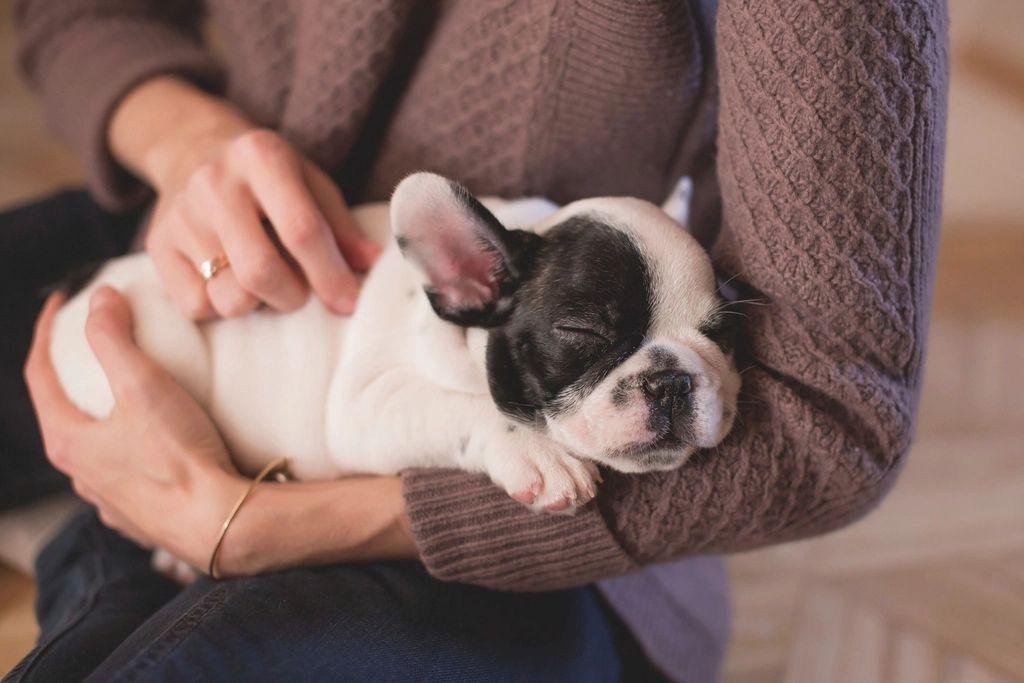
The weeks after you bring a puppy home are the best time to start grooming. Puppies learn fast, and gentle, positive handling now means a calm adult dog who is happy to be brushed, bathed and checked for life. Good puppy grooming is less about a perfect coat and more about building trust.
Here’s how to start, what to do each week and how to make every session a good experience.
Table of Contents
Why Start Puppy Grooming Early
- Puppies learn that being handled is normal and safe.
- Vet checks and nail trims become easier and less stressful.
- You find fleas, skin problems or ear issues early.
- Grooming becomes a calm bonding routine instead of a battle.
Step 1: Get Your Puppy Used to Being Touched
Before you pick up a brush, spend a few minutes each day gently handling your puppy. Touch the paws, hold each toe, lift the ears, look at the teeth and stroke the tail. Give a small treat and praise after each touch. Keep it short and stop while your puppy is still relaxed.

Step 2: Introduce the Brush
Use a soft bristle brush or a rubber brush for the first sessions. Let your puppy sniff it, then brush for just a few strokes along the back. Build up over days. Our guide on how to brush a dog explains which brush to use as the adult coat grows in.
Step 3: Nails, Ears and Teeth
| Task | How to start | How often |
|---|---|---|
| Nails | Touch paws daily, then trim one nail tip at a time | Every few weeks, or when nails click on the floor |
| Ears | Lift and look, wipe the outer ear with a soft pad | Check weekly |
| Teeth | Let your puppy lick dog toothpaste, then touch the teeth | Build up to daily |
| Eyes | Wipe away any discharge with a damp cotton pad | As needed |
For nails, read our guide to dog paw care and nail trimming. For teeth, see how to brush dog teeth, and for ears, see how to clean dog ears.
Step 4: The First Bath
Most puppies only need a bath when they’re dirty or smelly. Use lukewarm water and a gentle puppy shampoo, keep water out of the ears and eyes, and dry your puppy fully so they don’t get cold. Our step-by-step guide on how to bathe a dog covers everything.
A Simple Weekly Puppy Grooming Plan
- Every day: 2 minutes of handling paws, ears and mouth.
- 2 to 3 times a week: a short brushing session.
- Weekly: check ears, eyes, skin and nails.
- Every few weeks: trim nail tips.
- When needed: a gentle bath.
Make Puppy Grooming Fun
- Use tiny, tasty treats and lots of praise.
- Groom on a non-slip mat so your puppy feels steady.
- Keep sessions under five minutes at first.
- End on a good note, even if you only did a little.
- Never punish or hold a scared puppy down; just try again later.

Visiting a Professional Groomer
If your puppy’s breed needs regular haircuts, book a short intro visit with a groomer once your vet says your puppy is ready. A quick bath, brush and nail trim is enough for the first visit. Ask your vet about timing and vaccinations, and see the AVMA pet care resources for general puppy care advice.
Common Puppy Grooming Mistakes
- Starting with long sessions instead of a few calm minutes
- Bathing too often, which can dry a puppy’s skin
- Using human shampoo or toothpaste
- Only grooming when there’s a problem, so it always feels stressful
- Skipping nails until they’re long and hard to trim
Avoiding these mistakes keeps puppy grooming positive. Remember that every puppy learns at its own pace, so celebrate small wins and keep going.
Puppy Grooming FAQ
When can I start puppy grooming?
You can start gentle handling and soft brushing as soon as your puppy settles in at home.
Can I use human shampoo on my puppy?
No. Use a mild shampoo made for puppies or dogs, as human products can irritate their skin.
How do I stop my puppy biting the brush?
Offer a chew toy or lick mat to keep the mouth busy, and keep sessions short.
Learn the Full Grooming Routine
Simple steps for dogs of every age.