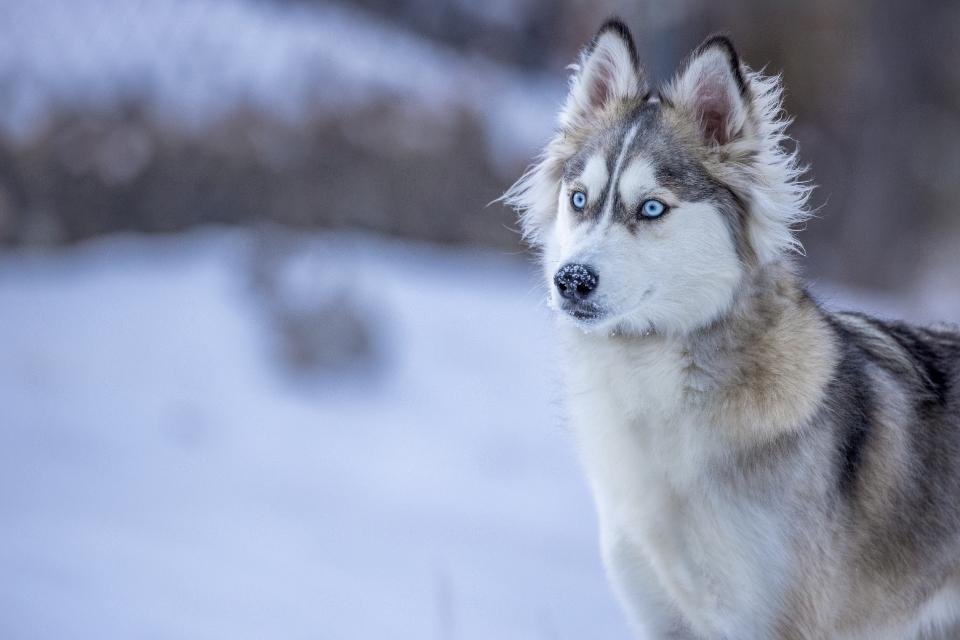
Hair on the sofa, the carpet and your clothes? Dog shedding is natural: dogs lose old or damaged hair so new hair can grow. You can’t stop it completely, but with the right brushing routine, a good diet and a few home habits, you can control it and keep your dog’s coat healthy.
Table of Contents
Why Dogs Shed
Every dog sheds to some degree. How much depends mostly on the coat. Double-coated breeds, such as huskies and German shepherds, have a soft, dense undercoat that they shed heavily, often in spring and autumn. Single-coated or curly breeds shed less, but still need regular grooming. Learn more in our guide to dog coat types.
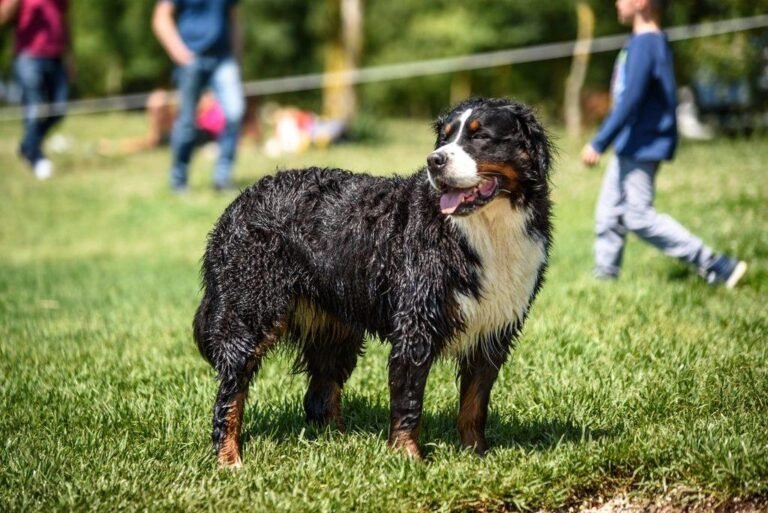
Normal Shedding vs Something More
| Usually normal | Ask your vet |
|---|---|
| Even hair loss across the coat | Bald patches or thin areas |
| Heavier shedding in spring and autumn | Red, flaky, scabby or smelly skin |
| More hair on brushes after a bath | Constant scratching, licking or chewing |
| A healthy, shiny coat underneath | Sudden heavy shedding with other symptoms |
Fleas, allergies, stress, diet and some health conditions can cause extra hair loss. If dog shedding comes with any of the signs above, book a vet check. The AVMA pet care resources has more trusted advice.
6 Ways to Reduce Dog Shedding
1. Brush Regularly
Brushing catches loose hair before it lands on your floor. Double coats need a slicker brush and an undercoat rake several times a week, and daily during heavy seasons. See how to brush a dog for the right technique.
2. Use the Right Tools
An undercoat rake or a deshedding tool removes the loose undercoat gently. Don’t overuse deshedding blades, as pressing too hard can irritate the skin. Our pet grooming tools guide lists the essentials.
3. Bathe Now and Then
A bath with a dog shampoo, followed by thorough drying and brushing, helps release a lot of dead undercoat in one go. Don’t bathe too often, as it can dry the skin. Read how to bathe a dog for the full routine.
4. Feed a Balanced Diet
A complete, balanced dog food supports healthy skin and coat. Ask your vet before adding supplements such as omega-3 fatty acids.
5. Control Fleas
Fleas cause scratching and hair loss. Use a flea prevention product your vet recommends, all year round.
6. Keep Your Dog Hydrated and Calm
Fresh water, exercise and a calm routine all support a healthy coat, as stress can increase shedding in some dogs.
Should You Shave a Shedding Dog?
Shaving a double-coated dog is usually not a good idea. The double coat helps protect against heat, cold and sunburn, and it may grow back patchy or uneven. Regular brushing to remove the loose undercoat is a better choice. Ask a professional groomer or your vet if you’re unsure.

Keeping Your Home Hair-Free
- Brush your dog outdoors when you can.
- Use washable covers on sofas and dog beds.
- Vacuum a few times a week with a pet hair attachment.
- Keep a lint roller or rubber glove handy for clothes and furniture.
- Wash your dog’s bedding weekly.
A Weekly Plan for Dog Shedding Season
| Day | Task |
|---|---|
| Monday | Full brush with slicker brush and undercoat rake |
| Wednesday | Quick 5-minute brush of friction areas |
| Friday | Full brush and comb-through |
| Weekend | Wash bedding, vacuum, bath only if needed |
Stick to this plan for a few weeks during spring and autumn and you should see far less dog shedding around your home.
Dog Shedding FAQ
Which dogs shed the most?
Double-coated breeds such as huskies, German shepherds, golden retrievers and Labradors tend to shed heavily, especially in spring and autumn.
Are there dogs that don’t shed?
No dog is fully non-shedding, but curly-coated breeds like poodles lose less loose hair. They still need regular brushing and haircuts.
Does brushing make shedding worse?
No. Brushing only removes hair that is already loose, so less ends up around your home.
Find Your Dog’s Coat Type
The right care for every coat.